
5 Common Woodworking Mistakes DIYers Make (And How to Avoid Them)
Learn the 5 most common woodworking mistakes beginners make and how to avoid them. Improve accuracy, save materials, and achieve professional-looking DIY woodworking results.
2/6/20265 min read
This post may contain affiliate links, which means I might earn a small commission (at no extra cost to you) if you decide to make a purchase through one of these links. I only recommend products I actually use or genuinely believe will bring value. Thanks for the support!
Woodworking is one of the most rewarding DIY skills to learn, but beginners often encounter frustrations that slow progress or affect the final result. Most of these problems are not caused by lack of ability—they come from a handful of common mistakes that are easy to correct once you recognize them. Understanding these pitfalls can save time, reduce wasted materials, and significantly improve the quality of your projects.
Whether you are building shelves, small furniture, or decorative pieces, avoiding these common woodworking mistakes will help you achieve cleaner results, stronger structures, and a more enjoyable building experience.
1. Skipping Proper Measuring and Planning
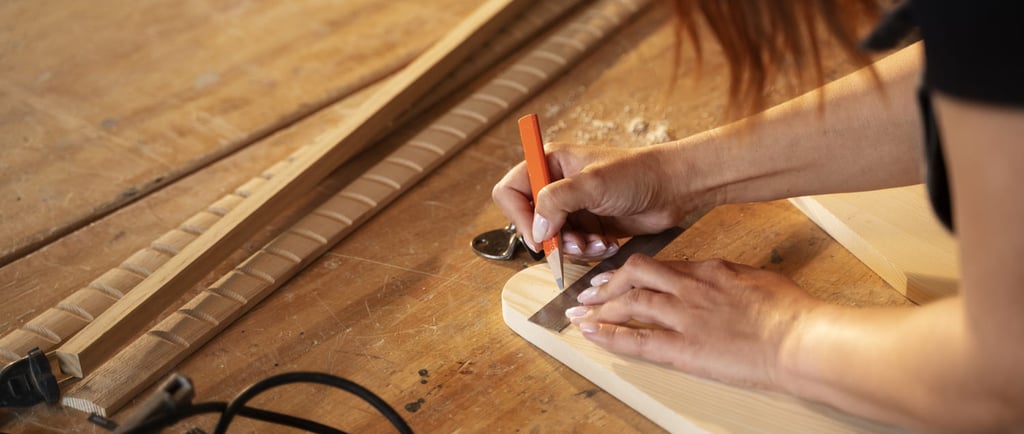
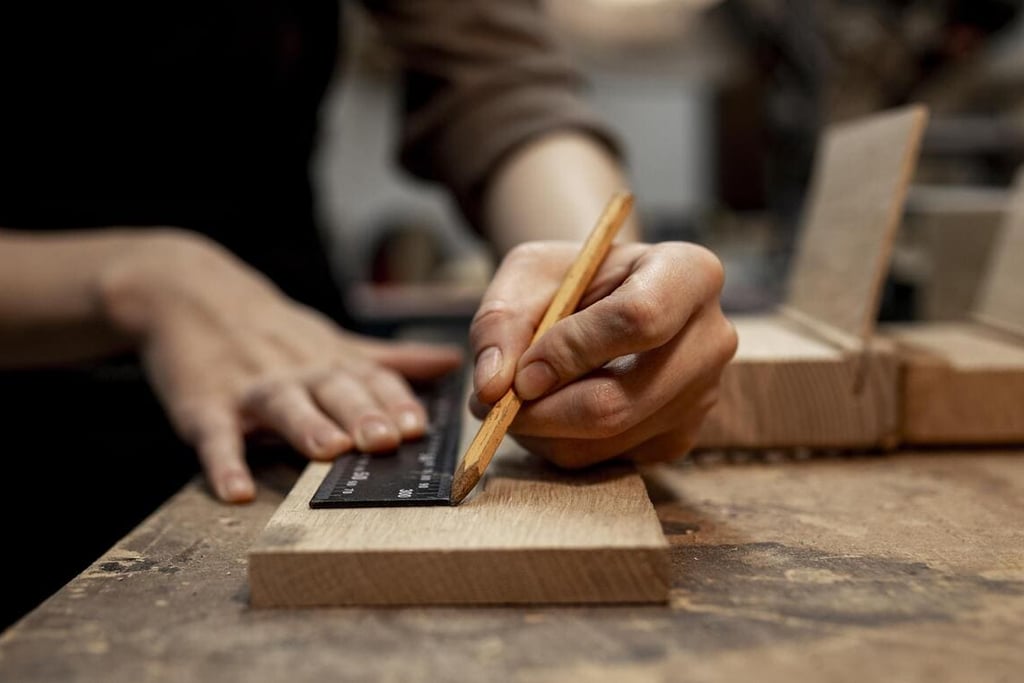
One of the most frequent mistakes DIY woodworkers make is rushing into cutting without careful planning. Woodworking requires precision, and even small measuring errors can compound during assembly, leading to gaps, uneven joints, or instability.
Many beginners rely on rough estimates instead of creating a simple plan or cut list. Without clear measurements and a sequence of steps, projects often take longer and require rework.
How to avoid it:
Always measure twice before cutting. Create a basic sketch of your project, list the dimensions of each piece, and cut all components systematically. Planning may seem time-consuming at first, but it saves significant time and materials in the long run.
At this point, many beginners ask the same question: Where do you actually find clear, step-by-step woodworking plans that remove the guesswork?
There’s a resource that some DIYers quietly rely on because it contains an enormous collection of ready-to-follow project plans—thousands of them—each broken down step by step with diagrams and instructions designed for beginners.
You can take a look at Ted’s video here and see how it works in practice.
2. Using the Wrong Type of Wood
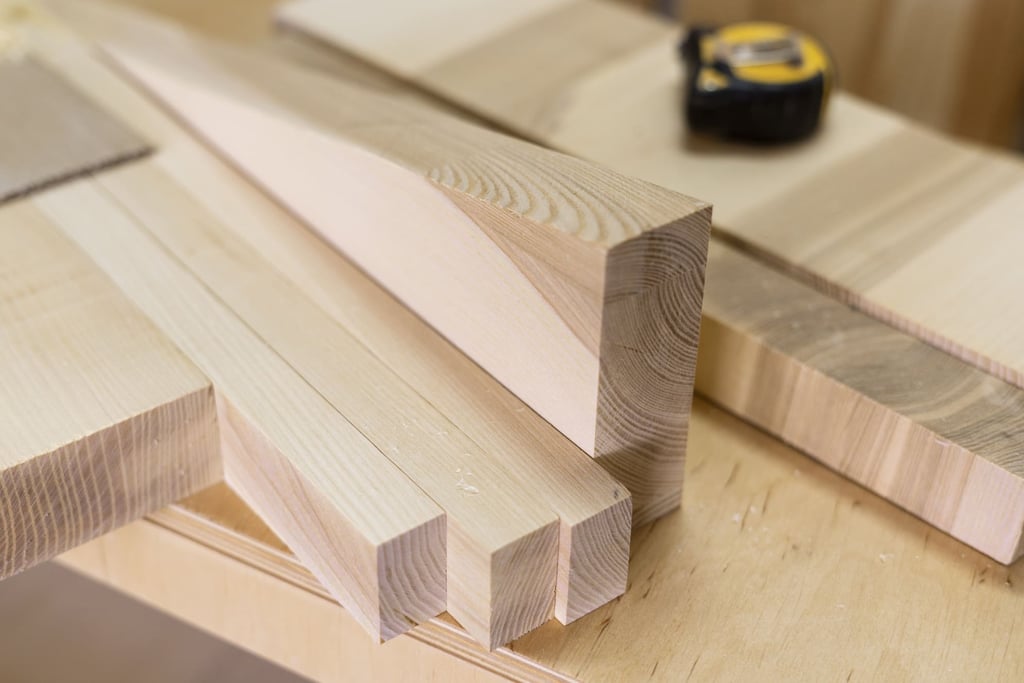
Not all wood behaves the same way. Beginners often choose wood based solely on price or appearance, without considering hardness, grain, or intended use. Some woods are prone to splitting, while others are difficult to cut or sand without proper tools.
For example, very soft woods may dent easily in furniture projects, while certain hardwoods can be challenging for beginners to work with.
How to avoid it:
Start with beginner-friendly woods such as pine or poplar. These materials are easier to cut, sand, and assemble, making them ideal for learning basic techniques. As your skills improve, you can gradually experiment with hardwoods and specialty materials.
3. Neglecting Sanding and Surface Preparation
Sanding is often underestimated, yet it is one of the most important steps in woodworking. Beginners sometimes rush through sanding or skip it altogether, resulting in rough surfaces, visible scratches, or uneven finishes.
Poor surface preparation also affects how stains, paints, or sealants are absorbed, leading to blotchy or inconsistent finishes.
How to avoid it:
Sand progressively using finer grits rather than trying to achieve smoothness in one step. Always remove dust before applying any finish, and take the time to smooth edges and corners. A well-sanded project immediately looks more refined and professional.
Many people who struggle with sanding, finishing, or assembly eventually discover that the real difficulty isn’t the technique—it’s not having clear plans to follow from the start.
Imagine being able to open a guide, pick a project, and see every cut, measurement, and step laid out visually before you even pick up a tool. That’s exactly what some woodworkers look for when they explore Ted’s collection of woodworking plans, which you can preview in his video.

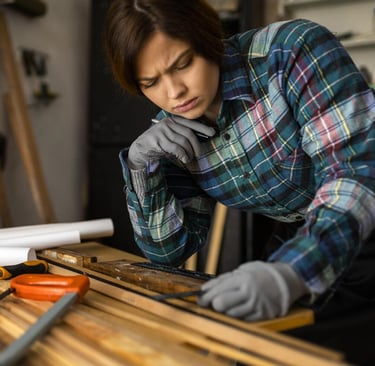
4. Poor Alignment and Assembly Techniques
Another common issue is assembling pieces without checking alignment. Even when cuts are accurate, improper clamping or fastening can cause boards to shift, creating crooked joints or structural weaknesses.
Beginners sometimes rely on nails or screws alone without ensuring that pieces are properly positioned and supported during assembly.
How to avoid it:
Dry-fit your pieces before applying glue or fasteners. Use clamps to hold components in place and check alignment from multiple angles. Taking a few extra minutes during assembly prevents major corrections later.
5. Using Inadequate or Improper Tools
Tools play a significant role in woodworking accuracy and safety. Many DIYers attempt projects with tools that are not designed for precise woodworking, which can lead to rough cuts, inconsistent results, or even safety risks.
While it is not necessary to own a professional workshop, using tools designed for woodworking makes projects easier, faster, and more consistent.
How to avoid it:
Choose tools that prioritize precision, stability, and ease of use. Beginner-friendly woodworking tools allow you to focus on technique rather than correcting mistakes caused by inaccurate cuts or unstable handling.
Some DIYers reach a point where they want to move beyond trial and error and simply follow proven plans. There’s a well-known library that includes more than 16,000 woodworking projects, each with step-by-step instructions, photos, and diagrams designed to make the building process straightforward—even without a large workshop or expensive equipment.
If you’re curious to see what that looks like, you can watch Ted’s video and explore the plans here. Many people are surprised by how quickly they can go from choosing a project to actually starting it.
Why Avoiding These Mistakes Matters
Correcting these common woodworking mistakes does more than improve the appearance of a project—it builds foundational skills that carry over into every future build. Precision, planning, and proper finishing are habits that define high-quality craftsmanship, whether you are building a simple shelf or a larger piece of furniture.
Woodworking becomes far more enjoyable when projects come together smoothly, materials are used efficiently, and the finished result looks clean and durable.
Conclusion
Every DIY woodworker makes mistakes in the beginning, but recognizing and correcting the most common ones dramatically accelerates progress. With careful measuring, proper materials, thorough sanding, accurate assembly, and reliable tools, even beginners can achieve results that look polished and professional.
And sometimes, the difference between frustration and confidence comes down to having a clear plan to follow—knowing exactly what to cut, how to assemble, and what the final result should look like before you begin. That certainty transforms woodworking from guesswork into a satisfying, creative process where each project becomes easier than the last.
Connect
Join us for tips and DIY home project updates.
Contact
Subscribe
© 2026. All rights reserved.

