
Beginner Woodworking Projects You Can Build in a Weekend
Beginner-friendly woodworking projects emphasize clean lines, basic joinery, and repeatable steps. They allow you to understand how wood behaves, how precision affects the final outcome, and why preparation is just as important as execution.
2/2/20264 min read
This post may contain affiliate links, which means I might earn a small commission (at no extra cost to you) if you decide to make a purchase through one of these links. I only recommend products I actually use or genuinely believe will bring value. Thanks for the support!
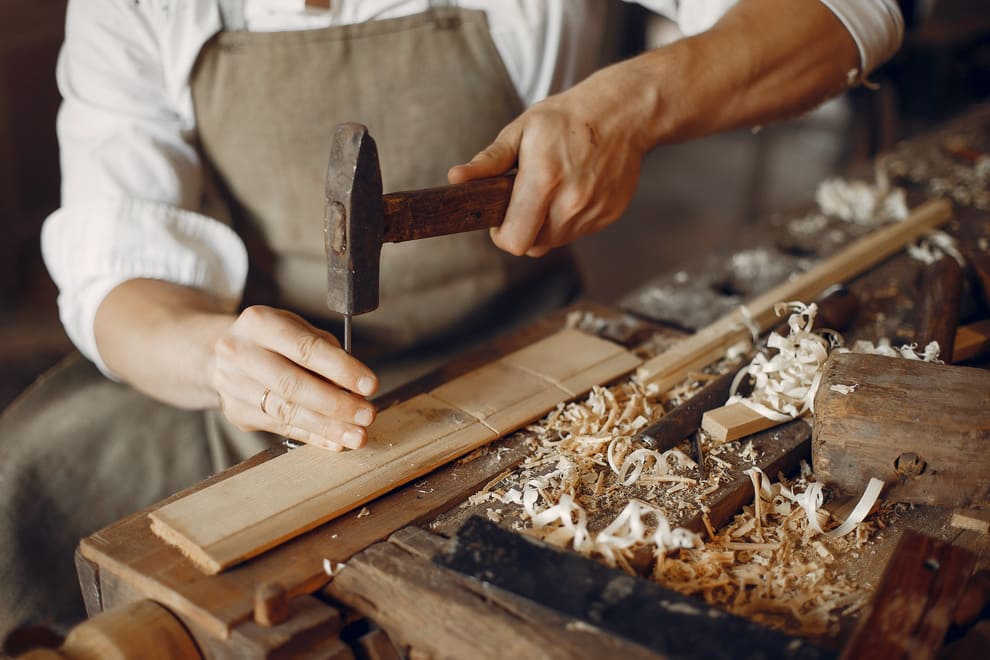
Woodworking is often perceived as a skill that requires years of experience, a fully equipped workshop, and a deep understanding of complex tools. In reality, many woodworking projects are perfectly suited for beginners and can be completed in just a single weekend. The key is choosing projects that focus on fundamental techniques, use simple materials, and deliver a finished piece that is both functional and rewarding. Weekend projects are ideal because they provide fast results, helping beginners build confidence while learning essential skills such as measuring, cutting, sanding, and assembling wood accurately.
For those just starting out, the goal should not be perfection, but progress. Beginner-friendly woodworking projects emphasize clean lines, basic joinery, and repeatable steps. They allow you to understand how wood behaves, how precision affects the final outcome, and why preparation is just as important as execution. With proper planning and the right tools, it is entirely possible to start on Saturday morning with raw lumber and finish Sunday evening with a polished, usable piece for your home.
Why Weekend Projects Are Perfect for Beginners
Weekend woodworking projects are effective because they balance learning with accomplishment. Short timelines prevent overthinking and encourage action, while still allowing enough time to work carefully and deliberately. These projects typically involve straightforward designs, minimal cutting variations, and limited materials, making them accessible even for those with little to no prior experience.
Another advantage is skill repetition. Beginner projects often require making the same type of cut or assembly step multiple times, reinforcing proper technique naturally. This repetition builds muscle memory and improves accuracy, which are critical foundations for more advanced woodworking. Additionally, completing a project in a short timeframe helps new woodworkers stay motivated and eager to take on the next challenge.


Simple Woodworking Projects You Can Finish in One Weekend
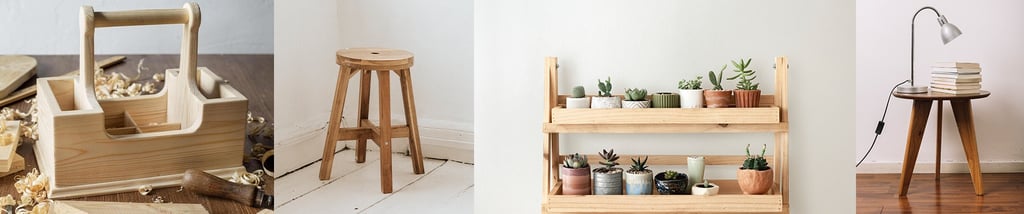
One of the most popular beginner projects is a small wall-mounted shelf. This project teaches accurate measuring, straight cuts, sanding, and alignment. It also introduces the importance of level installation and secure fastening, both of which greatly influence the final appearance and durability of the piece. A well-built shelf is not only practical but also instantly showcases the impact of precision and clean finishing.
Wooden storage boxes or crates are another excellent option. These projects focus on square construction, consistent dimensions, and basic assembly techniques. They help beginners understand how small inaccuracies can compound during assembly, reinforcing the importance of careful measuring and cutting. Storage boxes are versatile, easy to customize, and forgiving enough to allow learning without excessive frustration.
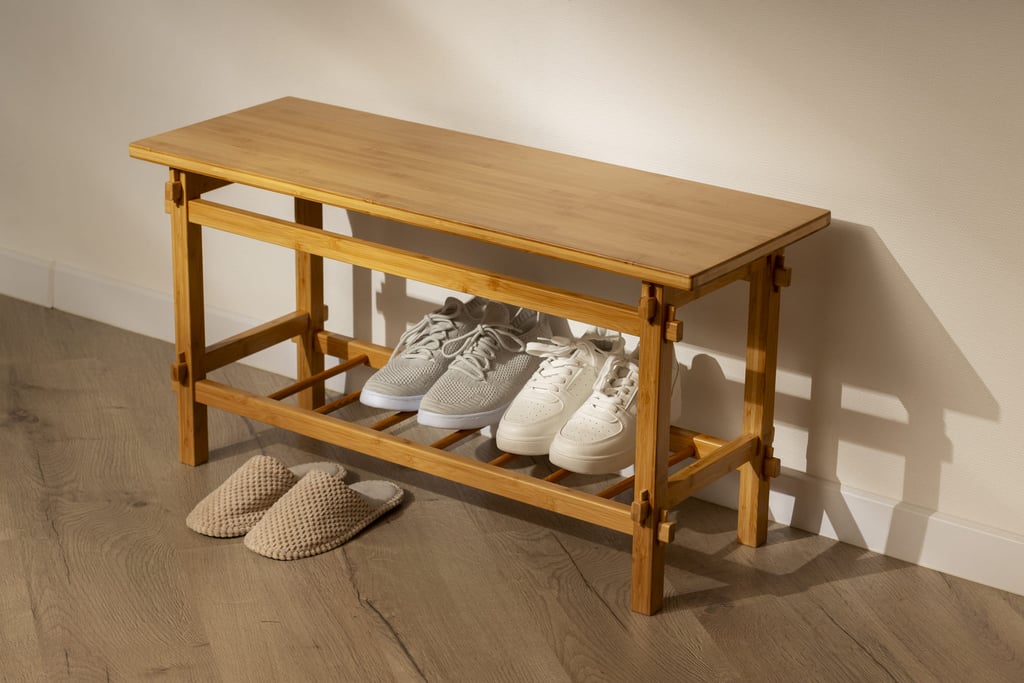
Simple benches or stools are ideal for those who want to explore structural woodworking. These projects introduce concepts such as load distribution, stability, and reinforcement. Building a bench helps beginners see how design choices affect strength and usability, while still remaining achievable within a weekend timeframe.
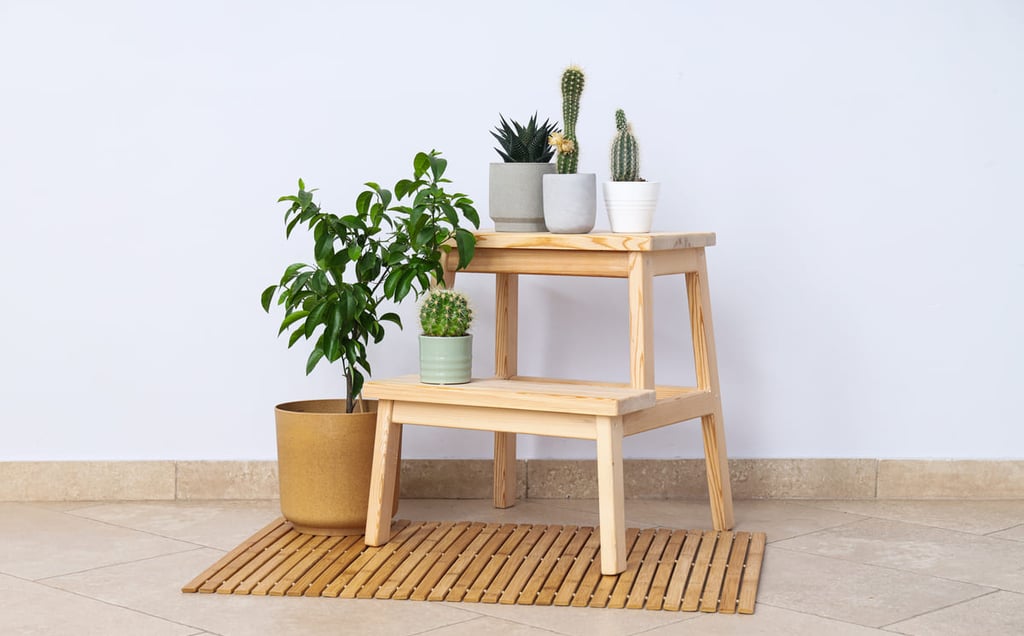
Plant stands and small side tables are also beginner favorites. They combine vertical alignment with basic structural principles and offer creative flexibility in height, shape, and finish. These projects are particularly rewarding because they blend functionality with decorative appeal.
Want to see how these projects are actually built? Watch the full step-by-step process in the video and follow along as each piece comes together from start to finish

Planning Before You Start
Successful weekend woodworking starts long before the first cut is made. Planning is essential for avoiding mistakes and wasted materials. Begin by selecting an appropriate wood type for your project, keeping in mind factors such as strength, appearance, and ease of cutting. Softwoods like pine are often recommended for beginners due to their affordability and workability.
Next, clearly define your measurements and create a simple cut list. Cutting all pieces before assembly helps maintain consistency and prevents alignment issues later on. Organizing your tools and workspace in advance also saves time and reduces interruptions during the build process. Even simple projects benefit greatly from a structured workflow.
Grab 16,000 woodworking plans here (Open Now) >>
Tool selection plays a major role in the quality of the final result. Beginner-friendly woodworking tools that emphasize accuracy, control, and repeatability make the learning process smoother and more enjoyable. When tools support precision, beginners can focus on developing technique rather than correcting avoidable errors.
See exactly how to build these beginner woodworking projects in the video and learn the techniques that make them possible—even if you’re starting from zero.
Woodworking is more than finishing a project—it’s about feeling capable, creating with purpose, saving money by building instead of buying, and discovering skills that can grow into something bigger over time.
Connect
Join us for tips and DIY home project updates.
Contact
Subscribe
© 2026. All rights reserved.

