
The Essential Woodworking Tool Every DIY Enthusiast Should Own (And Why It Matters More Than You Think)
Discover the essential woodworking tool every DIY enthusiast should own and how precision tools and step-by-step plans help beginners achieve professional-looking DIY projects faster.
2/6/20264 min read
This post may contain affiliate links, which means I might earn a small commission (at no extra cost to you) if you decide to make a purchase through one of these links. I only recommend products I actually use or genuinely believe will bring value. Thanks for the support!
Woodworking is one of the most practical and rewarding DIY skills a person can learn. From simple shelves to small furniture and decorative pieces, building something with your own hands creates a sense of accomplishment that few other hobbies can match. Yet many beginners—and even intermediate DIYers—find themselves frustrated when projects don’t turn out as expected. Cuts may be uneven, joints may not align properly, and finishing may reveal small inaccuracies that were invisible during assembly.
In most cases, the issue isn’t creativity or effort. It’s precision. And precision in woodworking almost always comes down to using the right tools and following clear, reliable plans.
Why Precision Is the Foundation of Quality Woodworking
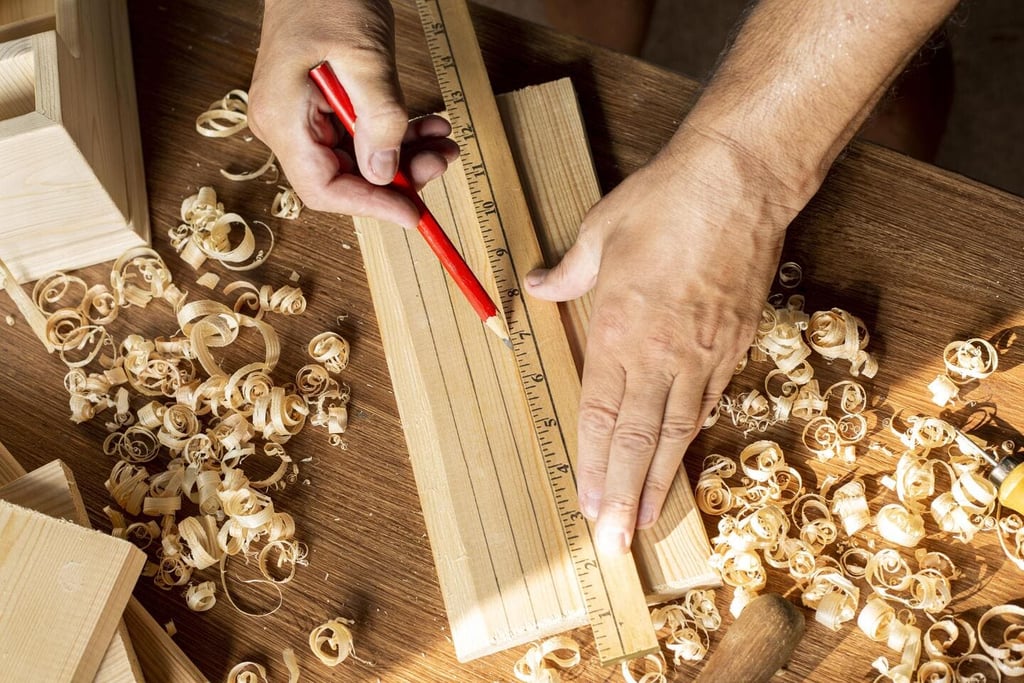
Woodworking is a discipline where small errors multiply quickly. A cut that is slightly off can create gaps. A measurement that is inconsistent can cause pieces to misalign. A rushed step early in the process often becomes a visible flaw at the end.
Professional-looking projects are not the result of luck—they come from repeatable accuracy. Tools that guide alignment, maintain straight cuts, and ensure consistent measurements dramatically improve results, especially for beginners.
When precision improves, several things happen naturally:
Assembly becomes easier
Projects take less time
Materials are used more efficiently
Finished pieces look cleaner and more refined
This is why experienced DIYers often say that the right tool doesn’t just make work faster—it makes good results predictable.
The Tool That Makes the Biggest Difference
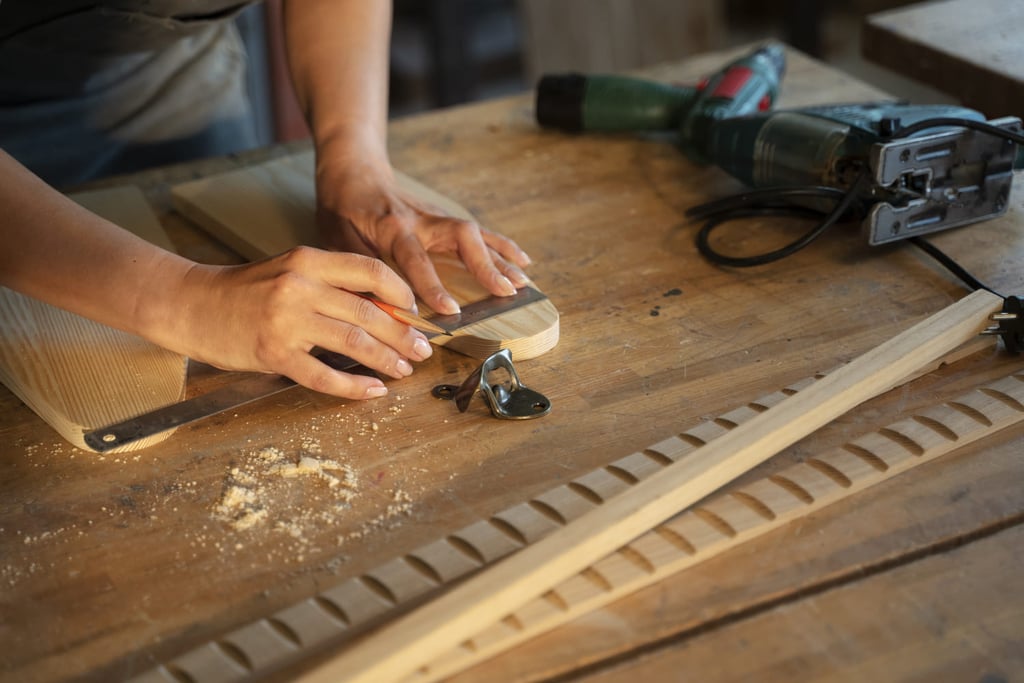
Among the many tools available, the ones that have the greatest impact are those designed to guide cuts and maintain consistent measurements. Whether it’s a guided cutting system, a well-designed jig, or a precision layout tool, these solutions remove guesswork and allow builders to focus on execution instead of correction.
For beginners, this is especially valuable. When a tool helps ensure straight cuts and reliable measurements, learning becomes smoother and far less frustrating.
But tools alone are only part of the equation.
The Overlooked Factor: Clear, Step-by-Step Plans
Many woodworking problems don’t come from tools at all—they come from unclear instructions or incomplete project plans. Without a clear sequence of steps, even experienced builders can waste time figuring out measurements, angles, or assembly order.
This is why many DIY enthusiasts eventually start looking for detailed woodworking plans that show every step visually before the first cut is made.
Some builders discover that having access to a large library of ready-to-follow plans makes projects dramatically easier, because instead of designing from scratch, they can simply choose a project and begin.
If you’re curious what that looks like in practice, there’s a short video that shows how thousands of step-by-step woodworking plans are organized and used by DIYers. It’s worth watching just to see how experienced builders streamline their workflow.
Saving Time, Materials, and Frustration
One of the biggest hidden costs in woodworking is wasted material. A single incorrect cut can ruin a board. A poorly planned project can require buying wood twice. Over time, these small losses add up.
Precision tools and clear plans work together to prevent these problems. When you know exactly what to cut, how to cut it, and in what order to assemble, projects move faster and results improve naturally.
Many DIYers are surprised to discover that the biggest improvement in their woodworking doesn’t come from buying more tools—it comes from working with better guidance and better preparation.
You Don’t Need a Large Workshop
Another common misconception is that woodworking requires a large, fully equipped shop. In reality, many beautiful and functional projects are built in small garages, spare rooms, or compact workspaces.
The key is efficiency. When you use tools that improve accuracy and plans that eliminate guesswork, even limited space becomes more than enough.
Some of the most popular woodworking projects today—shelves, benches, storage units, small tables—can all be built with a modest setup, provided the process is clear and repeatable.
The Confidence That Changes Everything
There’s a particular moment every woodworker experiences sooner or later: starting a project with complete confidence that it will turn out right. No hesitation before each cut. No uncertainty about the next step. Just steady progress from start to finish.
That confidence usually comes from two things:
Reliable tools that ensure accuracy
Clear, detailed plans that remove uncertainty
Many DIYers only realize how important this combination is after they experience it for the first time. Seeing a project come together smoothly—exactly as expected—is one of the most satisfying parts of woodworking.
If you want to see how some builders achieve that level of clarity before they even begin a project, you can take a look at the video mentioned earlier. It explains how large collections of step-by-step plans are used to simplify even complex builds.
Final Thoughts
The essential woodworking tool every DIY enthusiast should own is not necessarily the most expensive or complex—it’s the one that helps achieve precision and consistency. Combined with clear plans and careful preparation, the right tools transform woodworking from trial and error into a predictable, enjoyable process.
What begins as a simple weekend project can quickly become a skill that saves money, develops creativity, and even opens the door to small income opportunities over time. And often, the difference between frustration and satisfaction is simply having the right guidance before you start.
Want to start building today and put these ideas into practice?
Get 50 Woodworking Plans and a 440-Page Guide Book absolutely free and see how easy your first projects can be.
Connect
Join us for tips and DIY home project updates.
Contact
Subscribe
© 2026. All rights reserved.

