
Turning Skills Into Sellable Products
Woodworking becomes profitable when skills are applied to real-world needs. More than craftsmanship alone, successful products are built around functionality, problem-solving, and clear use cases that improve how people live and use their spaces.
2/2/20264 min read

This post may contain affiliate links, which means I might earn a small commission (at no extra cost to you) if you decide to make a purchase through one of these links. I only recommend products I actually use or genuinely believe will bring value. Thanks for the support!
Woodworking becomes profitable when skills are applied to real-world needs. More than craftsmanship alone, successful products are built around functionality, problem-solving, and clear use cases that improve how people live and use their spaces.
Sellable woodworking products often focus on everyday challenges such as storage, space optimization, durability, and organization. When a piece solves a practical problem while maintaining strong visual appeal, it naturally stands out in a market filled with mass-produced alternatives.
Consistency plays a critical role. Creating repeatable designs allows makers to refine their process, reduce material waste, and improve efficiency over time. This not only increases production speed but also strengthens pricing confidence and profit margins.
Customization adds another layer of value. Offering small adjustments in size, finish, or functionality transforms a standard build into a tailored solution — one that customers are willing to pay more for because it fits their space and lifestyle.
Ultimately, turning skills into sellable products means shifting from “what can I build” to “what problem does this solve.” When woodworking aligns with purpose, efficiency, and usability, craftsmanship becomes income.


Why Woodworking Has Strong Profit Potential
The demand for handmade, functional, and well-designed wooden items continues to grow. Consumers are increasingly drawn to products that feel authentic, durable, and thoughtfully crafted — especially in a market saturated with mass-produced alternatives. Woodworking fits perfectly into this shift.
Another key advantage is versatility. Woodworking allows you to target multiple niches: home organization, furniture, décor, outdoor items, office accessories, children’s products, and even custom builds. This flexibility means you can test different product ideas, price points, and audiences until you find what works best for your skills and lifestyle.
Most importantly, woodworking scales with experience. As techniques improve, production becomes faster, waste decreases, and margins increase — turning time and effort into measurable profit.
Get access to 16,000 woodworking plans >>
Starting Small Without Large Investments
One of the biggest misconceptions about woodworking as a side hustle is that it requires expensive tools and a fully equipped workshop. In reality, many profitable woodworking businesses start with basic tools and limited space.
Simple projects such as shelves, cutting boards, small tables, wall-mounted organizers, or planter boxes require minimal materials and can be produced repeatedly. These entry-level products help refine technique, build confidence, and generate early income without significant financial risk.
Starting small also allows you to learn pricing, material sourcing, and customer expectations before committing to larger or more complex builds.
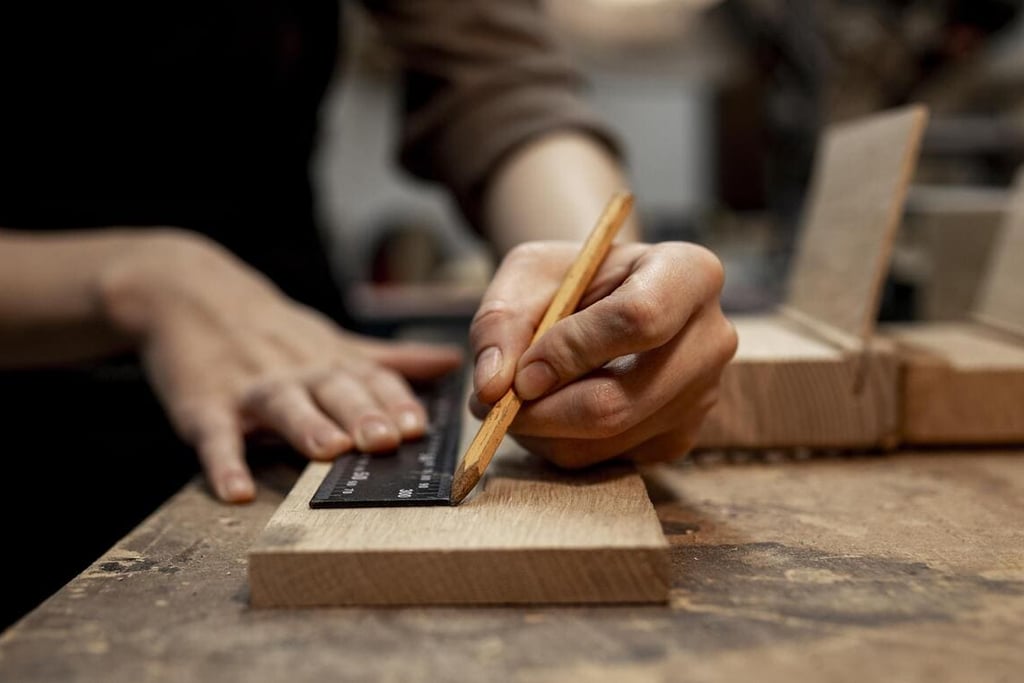
Profitability in woodworking isn’t just about building — it’s about solving problems. The most successful products often address everyday needs: storage, space optimization, durability, and aesthetics.
When a wooden product improves how a home functions — whether by organizing clutter, saving space, or adding long-term durability — customers perceive value beyond the material itself. This perception supports better pricing and repeat sales.
Customization is another powerful advantage. Offering size adjustments, finishes, or functional tweaks allows makers to charge more while delivering a product tailored to the buyer’s space or lifestyle.
Get access to 16,000 woodworking plans >>
Selling Channels That Work for Woodworkers
Modern woodworking side hustles are no longer limited to local markets. Online platforms have made it easier than ever to reach buyers actively searching for handmade and functional products.
Marketplaces like Etsy, social platforms like Pinterest, and personal websites allow woodworkers to showcase projects visually — a major advantage in a craft-driven niche. High-quality images, clear descriptions, and practical use cases significantly increase conversion.
Local sales still play a role as well. Craft fairs, community markets, and word-of-mouth referrals help validate products and build trust, especially in the early stages.
Managing Costs and Maximizing Margins
Profitability depends as much on cost control as it does on sales volume. Smart woodworkers pay close attention to material waste, tool maintenance, and energy consumption in their workspace.
Efficient cutting plans, standardized dimensions, and batch production reduce material loss and save time. Over time, these small efficiencies can dramatically increase profit margins.
Energy usage is another often-overlooked factor. Workshops rely on lighting, power tools, and climate control — all of which impact monthly expenses. Optimizing energy use through smarter setups or self-installed efficiency solutions can lower operating costs and directly improve net income.
Grab 16,000 woodworking plans here (Open Now) >>
From Side Hustle to Sustainable Income
Woodworking doesn’t need to replace a full-time job to be valuable. Even a few well-designed products sold consistently can generate meaningful supplemental income. Over time, many makers choose to expand by introducing new product lines, digital plans, or educational content.
What makes woodworking especially attractive as a side hustle is the combination of creative fulfillment and financial return. You build something tangible, improve real spaces, and see direct results from your effort — both physically and financially.
Final Thoughts
Woodworking offers more than creative satisfaction; it offers control. Control over your time, your output, and your earning potential. With thoughtful project selection, efficient processes, and smart cost management, woodworking can evolve from a weekend hobby into a reliable and profitable side hustle.
For those willing to learn, build, and optimize, the opportunity is not just to make things — but to make them work for your income.
Get instant access to 16,000 plans inside
You can get instant access to over 16,000 woodworking projects in the next 5 minutes or less...
You got to check out Ted's video now >>
Ted has spent years putting together "Earth's largest collection of woodworking plans!"
I'm talking about 16,000 "done-for-you" plans with STEP-BY- STEP instructions, photos and diagrams to make every project laughably easy...
And the best part is, it doesn't matter if you don't have a large workshop or expensive tools!


Connect
Join us for tips and DIY home project updates.
Contact
Subscribe
© 2026. All rights reserved.

